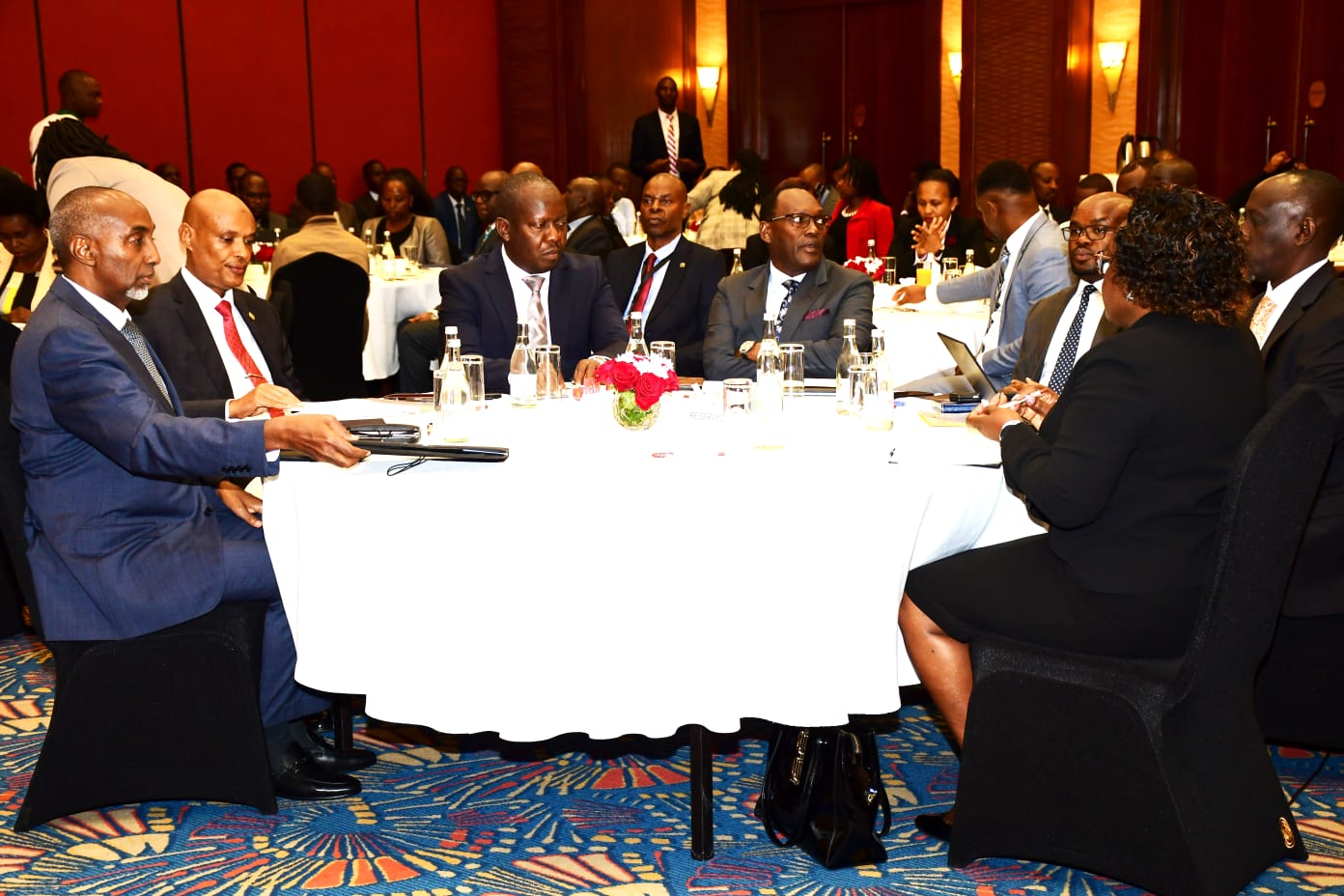
The Director of Public Prosecutions, Renson M. Ingonga, on Monday led a high-level inter-agency review of Kenya’s progress under the Financial Action Task Force action plan, reaffirming the government’s commitment to securing the country’s removal from the FATF Grey List.
The consultative meeting brought together senior officials from key institutions tasked with safeguarding the integrity of Kenya’s financial system and strengthening compliance with international anti-money laundering standards.
Kenya was placed on the Financial Action Task Force grey list following identified deficiencies in its anti-money laundering and counter-terrorism financing framework. Since then, authorities have accelerated reforms aimed at enhancing regulatory oversight, improving inter-agency coordination, and reinforcing prosecutorial effectiveness.
During the meeting, Mr. Ingonga underscored the importance of sustained collaboration across enforcement and oversight bodies, noting that prosecutorial capacity remains central to dismantling illicit financial networks.
“We have strengthened our Anti-Money Laundering response through targeted capacity-building initiatives,” the DPP said, highlighting nationwide training programmes designed to equip prosecutors with the technical expertise required to handle complex AML cases.
He further pointed to reforms within the Anti-Money Laundering and Asset Forfeiture Division at the Office of the Director of Public Prosecutions, which now plays a more centralised role in managing money laundering prosecutions and advising county offices on case prioritisation.
Among those present at the meeting were Attorney General Dorcas Oduor, Interior Principal Secretary Raymond Omollo, Treasury Principal Secretary Chris Kiptoo, and Mining Principal Secretary Harry Kimtai. Also in attendance were senior officials from the Ethics and Anti-Corruption Commission, the Directorate of Criminal Investigations, the Kenya Revenue Authority, the Gambling Regulatory Authority, and the National Intelligence Service.
The broad institutional representation signalled a whole-of-government approach to addressing financial crime vulnerabilities, particularly in sectors considered high-risk for money laundering and illicit financial flows.
Security and financial experts note that exiting the FATF grey list would strengthen investor confidence, improve correspondent banking relationships, and reinforce Kenya’s standing within the global financial system. It would also enhance safeguards against terror financing and organised transnational crime.
Officials reiterated that adherence to FATF timelines remains a national priority, with coordinated reforms aimed at closing regulatory gaps, improving conviction rates, and strengthening asset recovery mechanisms.
The meeting concluded with renewed commitments to sustain momentum, ensuring that Kenya’s financial system remains resilient, transparent, and aligned with international best practices.
National Security Insight:
Strengthened prosecutorial capacity and coordinated inter-agency enforcement remain critical pillars in protecting Kenya’s financial system and advancing compliance with global anti-money laundering standards.